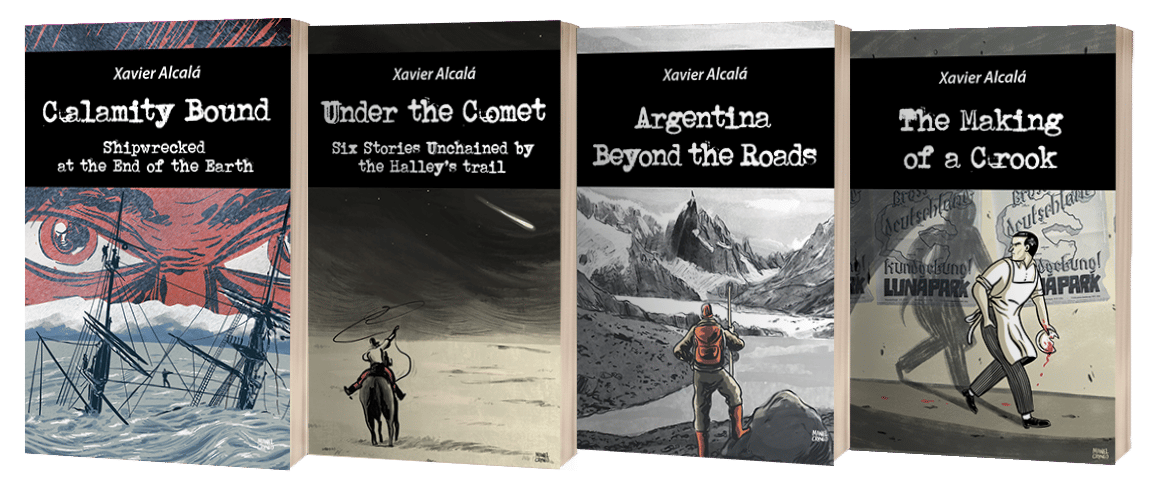
15.000 miles of travels and conversations across every province in Argentina, police files, forgotten anarchist massacres, Nazis in Patagonia... all revealed by first-hand witnesses in the end of the world.
Available Now
Explore the series15.000 miles of travels and conversations across every province in Argentina, police files, forgotten anarchist massacres, Nazis in Patagonia... all revealed by first-hand witnesses in the end of the world.
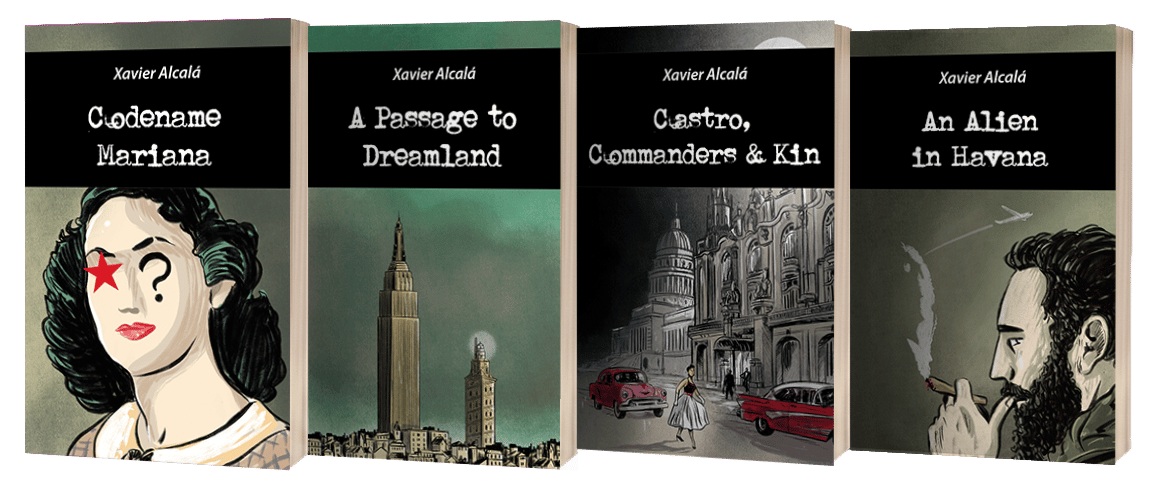
An inside literary job inside the classified Cuban reality, narrated by mighty women who fought and survived Castro.

50 years of dictatorship shaped the minds of three generations in Spain. Xavier lived to experience it himself and meet witnesses of an era that seemed past.
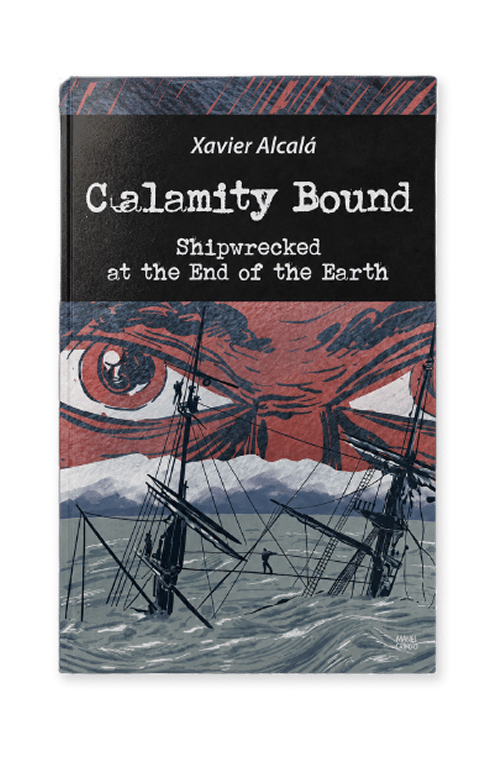
A shipwreck at the far edge of the known world entangles a desperate fight for survival with an espionage plot reaching back to Europe’s naval arsenals and royal courts.
Xavier Alcalá’s epic novel takes readers into the mid-eighteenth-century struggle for naval supremacy between the British and Spanish empires. Meticulous historical research, a propulsive narrative, and multiple narrators create an absorbing blend of historical fiction, high adventure, espionage, and dark political intrigue.
At the center of this imperial contest stands Ferrol, a fortified port on the Atlantic coast of Galicia, in northwestern Spain, then becoming one of Europe’s greatest naval arsenals and shipbuilding centers. British master shipwrights work there in secrecy, helping Spain modernize its warships while both powers compete for technical knowledge, strategic advantage, and control of the southern seas.
Isaiah Morris, the son of an English Puritan settled in Ferrol, has grown up between cultures and divided loyalties. Now a Royal Navy officer, he joins an expedition into the far South Atlantic in search of the legendary Southern Passage—a hypothetical route through Patagonia, north of the Strait of Magellan, that could transform global trade and naval strategy.
When a Spanish expedition sails from Ferrol toward the South Sea, a British force gives chase from Montevideo. A battle and a violent storm scatter the pursuing ships, and HMS Virginia runs aground in an uncharted channel. What began as a mission of exploration and intelligence becomes a brutal ordeal of hunger, shipwreck, captivity, and warfare between Indigenous peoples and Spanish frontier forces amid the vast landscapes of Patagonia, the Pampas, and Tierra del Fuego.
Only a few of the survivors will return to civilization. For those who do, the ordeal is not over: their arrival brings interrogation, conflicting accounts, political danger, and a struggle over what must be confessed, concealed, or rewritten.
Their complementary voices carry the reader from the intrigues of Ferrol into seas and lands that eighteenth-century Europe had barely begun to map. Drawing on authentic reports, journals, maps, missionary diaries, and maritime chronicles, Alcalá transforms the surviving evidence into an adventure whose documentary foundations deepen its mystery, realism, and narrative force.
Winner of the 1998 Blanco Amor Novel Prize in its original Galician edition, Calamity Bound is a defining example of Alcalá’s investigative method: historical research transformed into vivid, entertaining fiction.
For readers drawn to classic sea adventures, imperial espionage, survival stories, and historical novels grounded in documentary evidence.
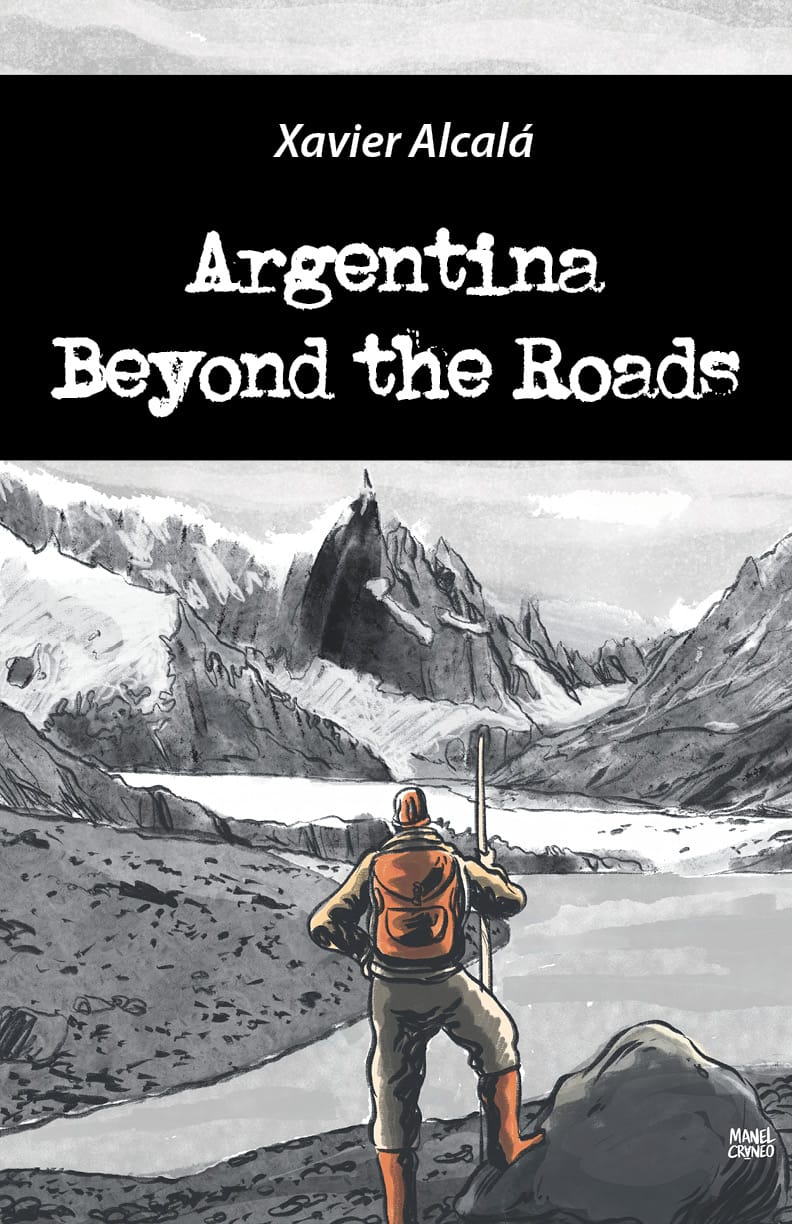
After nearly 30,000 miles across every Argentine province, Xavier Alcalá writes with an intimate understanding of Argentina shaped by long years of travel beyond the beaten paths, beyond the roads.
Across decades of journeys and every Argentine province, Alcalá moved from Buenos Aires and the great river country to the Andes, the pampas, Patagonia, and Tierra del Fuego—from La Quiaca in the far north to Ushuaia at the end of the world. What began as travel for work and family became a sustained exploration of a nation too vast and contradictory to be captured by its celebrated landmarks.
This is not a conventional guidebook. Commissioned in 1992 as “a book of reports from La Quiaca to Ushuaia” and now expanded into a more personal edition, Argentina Beyond the Roads draws on field notebooks, photographs, professional assignments, family connections, friendships, and conversations with people whose knowledge is rarely available to an occasional visitor.
Alcalá looks beyond extraordinary landscapes to the migrations, conflicts, ambitions, and memories that shaped them. He follows the marks left by Indigenous nations and successive immigrant communities, listens to the country’s changing languages, and examines the enduring tension between Buenos Aires and the immense territory beyond it.
The result is a sensory and deeply human travel chronicle: a country encountered through cities and estancias, rivers and mountain passes, meals and accents, political memories and private stories. Personal, observant, and steeped in lived experience, the book reveals Argentina as landscape, history, and human encounter.
For readers drawn to literary travel writing, Patagonia and Tierra del Fuego, immigrant histories, Indigenous cultures, national identity, and journeys that reach beyond the itinerary into the life of a country.
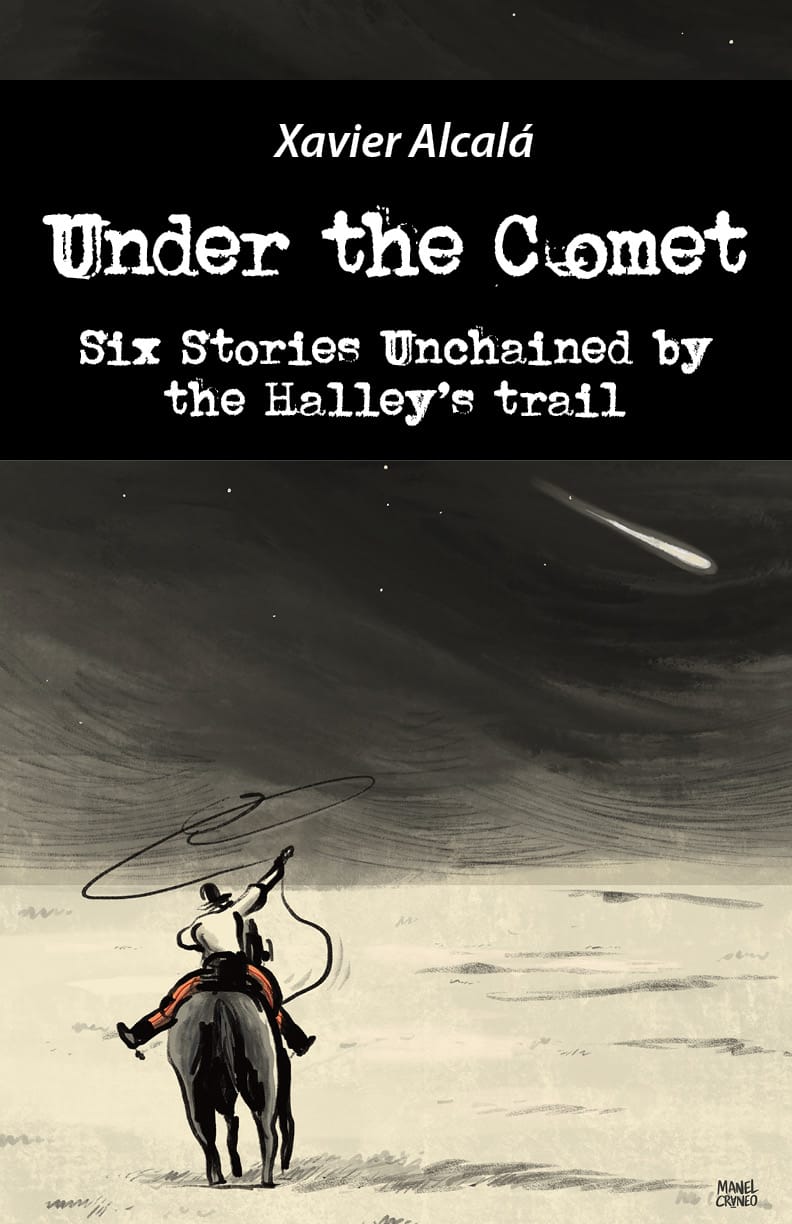
A Confederate exile comes to the Argentine pampas in search of a new fortune; by the time Halley’s Comet crosses the southern sky, three generations have been bound to a secret born of forbidden love, betrayal, and violence.
Beginning in the aftermath of the American Civil War and sweeping south across a changing Argentina, Xavier Alcalá’s epic novel follows immigrant families whose private ambitions become entangled with the making of a nation. Intimate drama, frontier conflict, and concealed guilt converge in a historical family saga of migration, inheritance, and survival.
Henry Johnson brings his Confederate past, his prejudices, and his plans for a new fortune from Virginia to the Argentine plains. At the San Lorenzo estancia, he enters the world of the Frieyra family and sets in motion a chain of love, betrayal, and violence whose consequences will pass from one generation to the next.
As newcomers from Europe and the Americas build lives across the pampas and Patagonia, marriages and rivalries bind their families together. Ranches expand, frontier societies are transformed, and Indigenous lands are overtaken by the machinery of nation-building. Beneath the promise of progress, however, lie private histories that refuse to remain buried.
Structured as a journey south through six parallels and unfolding beneath the light of Halley’s Comet, Under the Comet brings a vast landscape into focus through the lives of the people who settled it—and those they displaced. The result is both an intergenerational drama and a dark portrait of the forces that shaped modern Argentina.
Drawing on decades of travel, firsthand encounters, and close attention to the histories of the far South, Alcalá transforms documentary investigation into vivid fiction without sacrificing narrative momentum.
For readers drawn to sweeping family sagas, immigrant stories, frontier conflict, buried secrets, and historical novels grounded in lived and documentary knowledge.