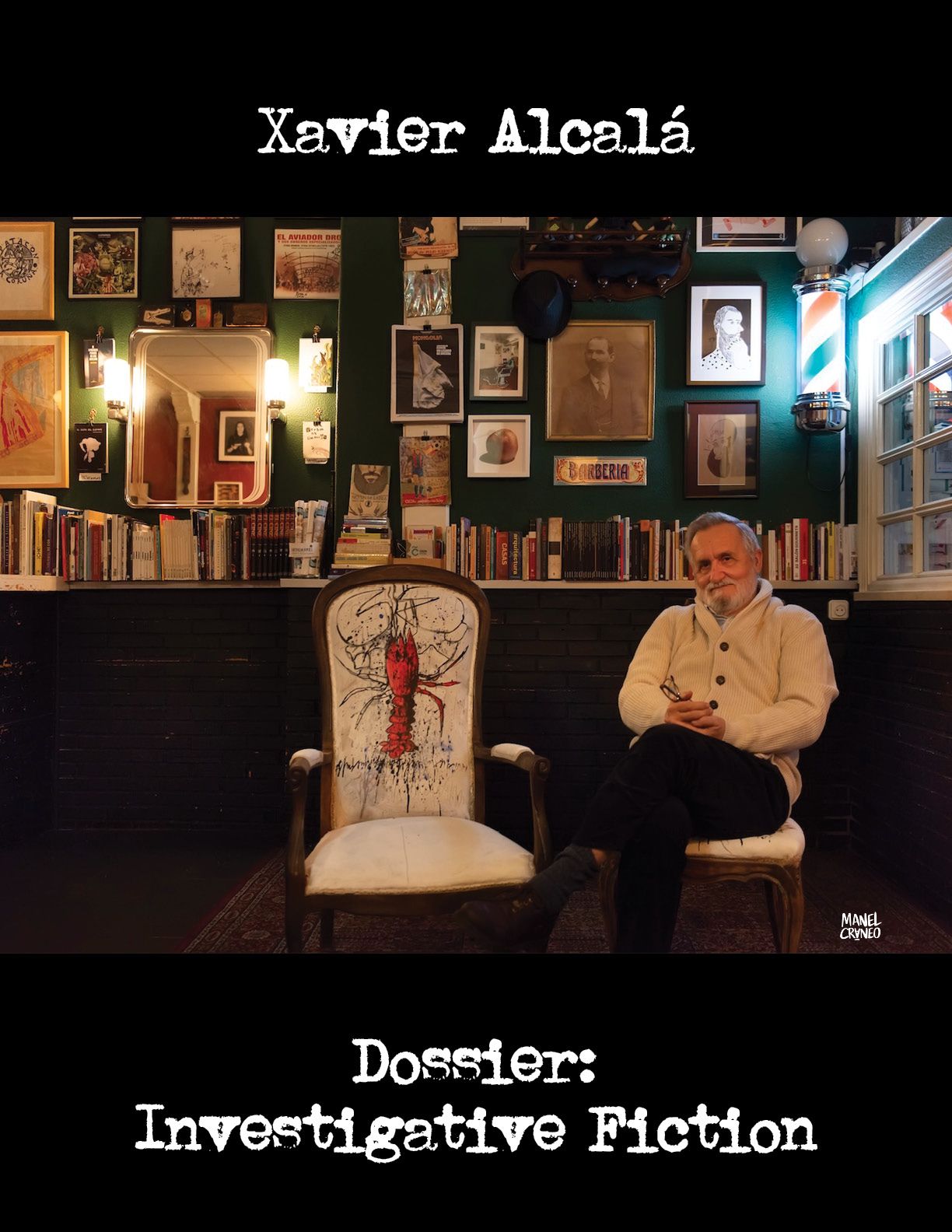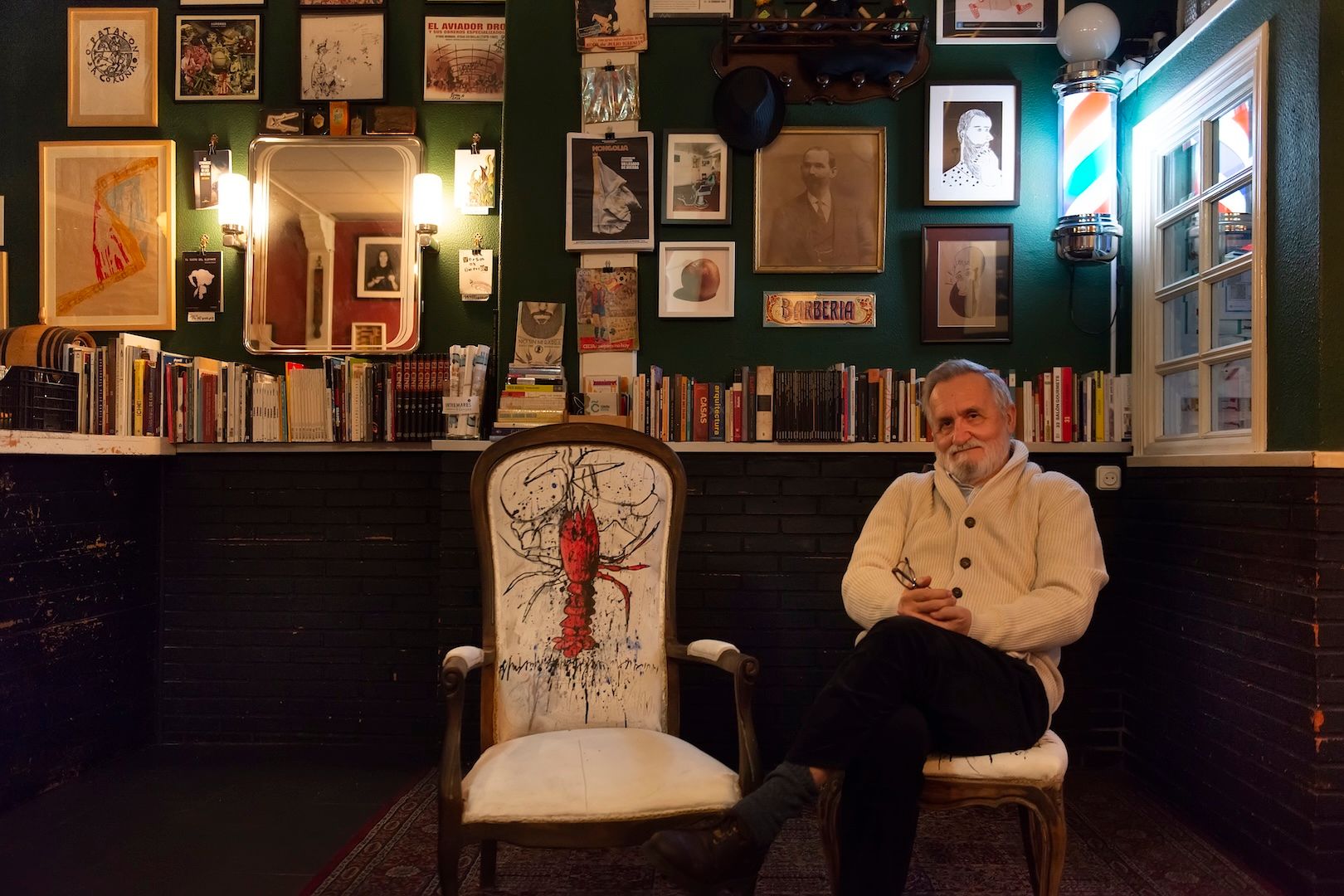
Meet the author
The engineer who cracked history's forgotten files
Engineer. Journalist. Investigator. Five decades in the field.
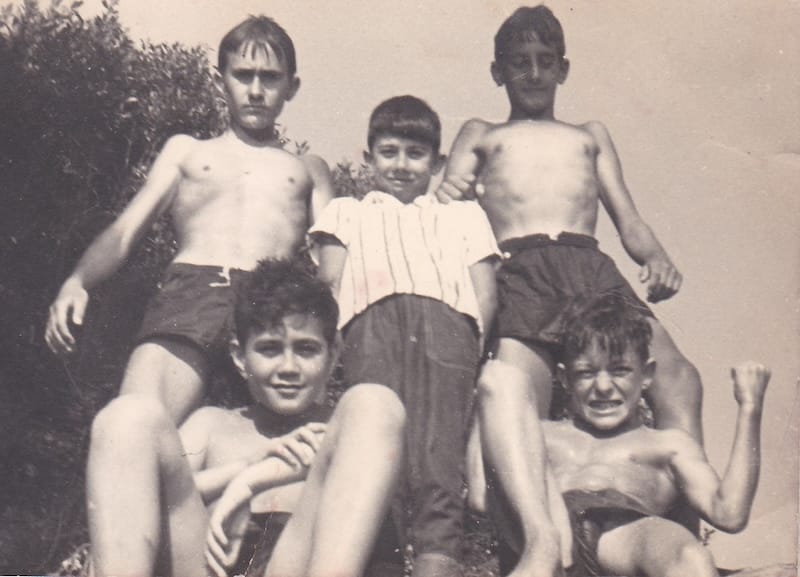
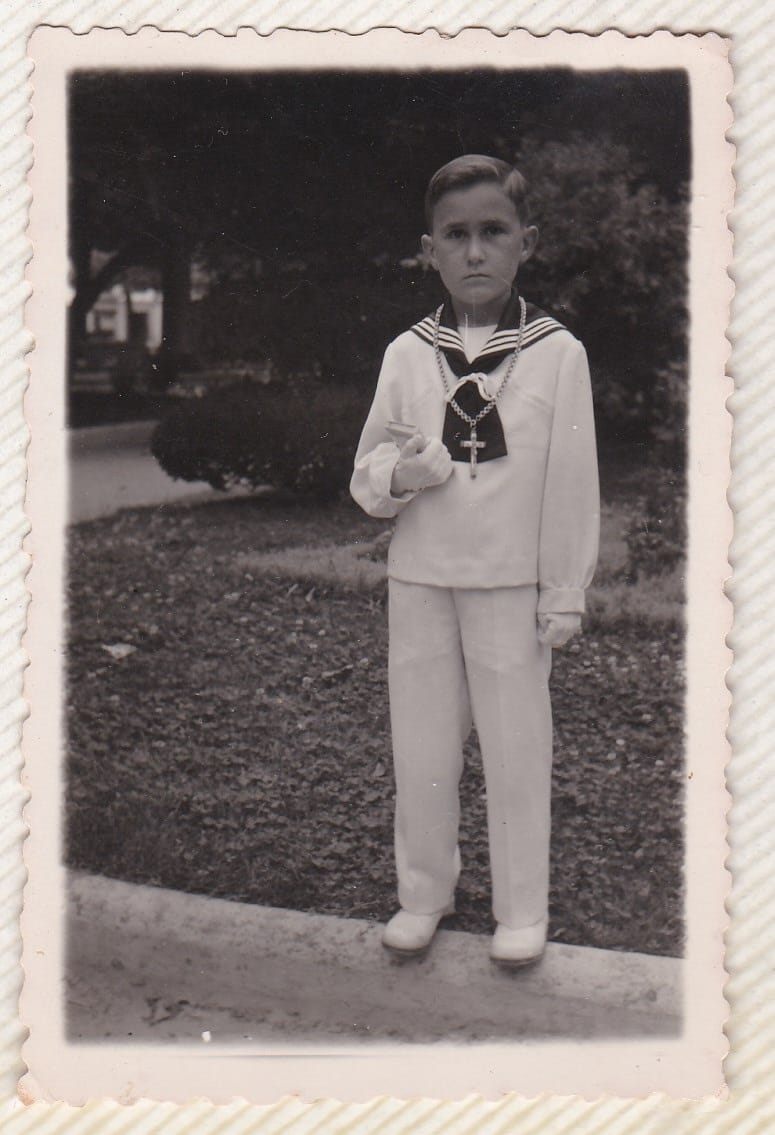
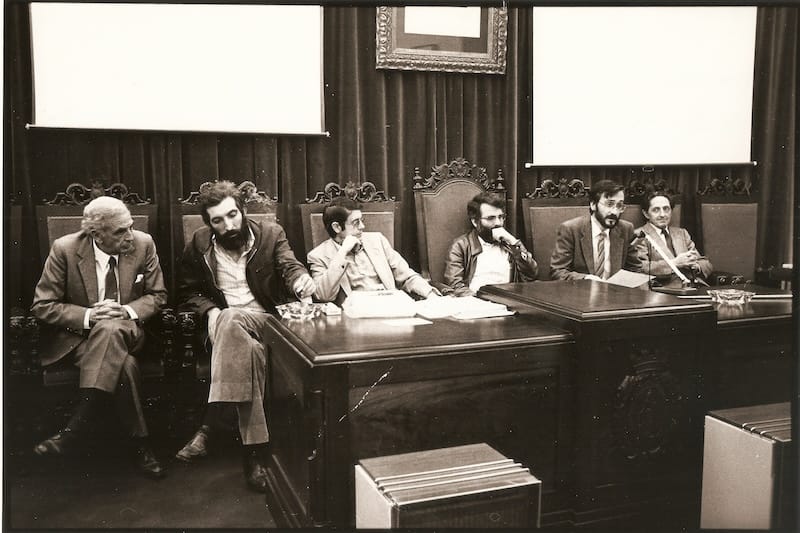
Xavier Alcalá's career as a telecommunications engineer took him to places no travel writer would be sent. Over fifty years, he walked the same remote paths as emigrants, exiles, survivors, and revolutionaries. Some stories hunted him. Others were entrusted to him directly — lives that needed a witness before they disappeared.
And he wrote them all, after midnight, back in Galicia or in the loneliness of hotel rooms, while the world was sleeping. The story you just read is one of them.
“I am an anti-library writer. I need to experience the places and sensations of my characters.”
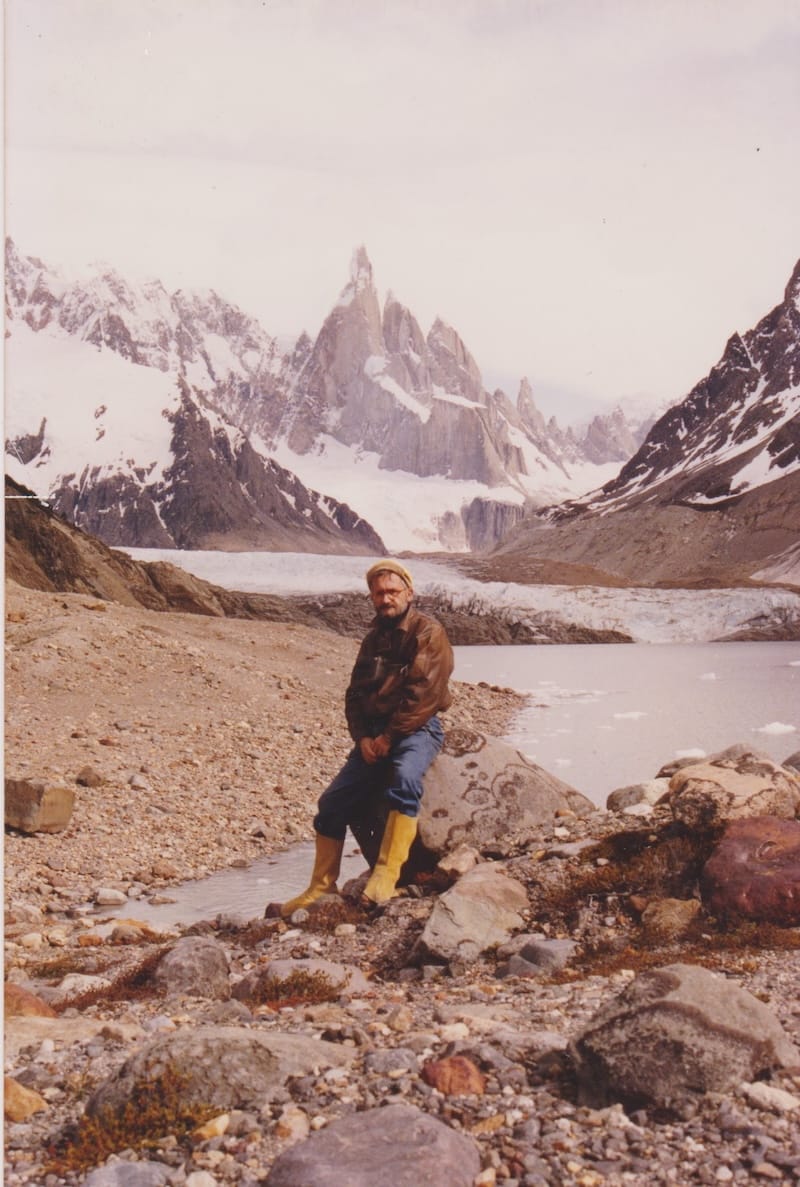
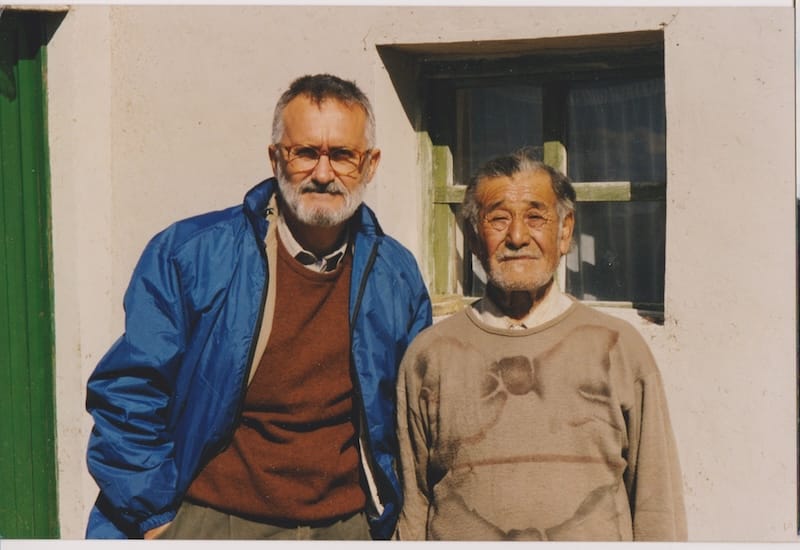
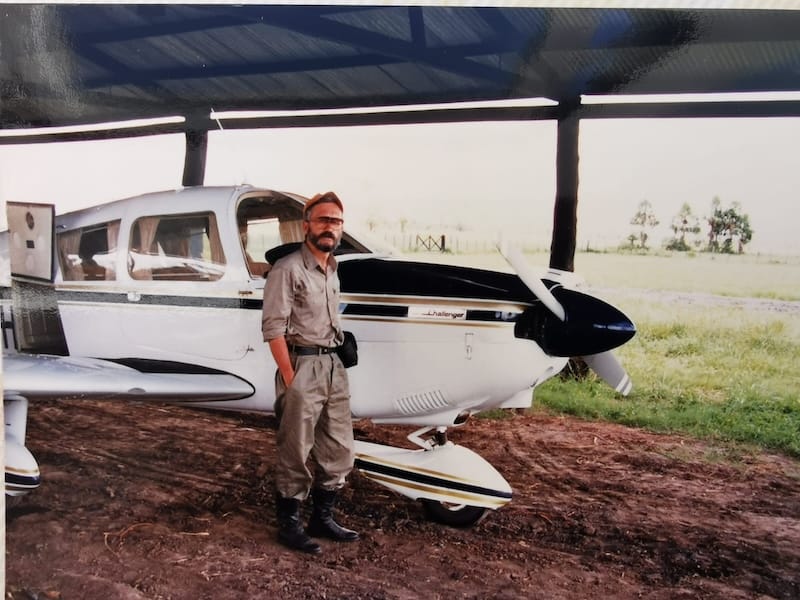
Alcalá does not reconstruct the past from libraries. He goes there — or went there, when the engineering contracts took him close enough. He has interviewed the last surviving witness to an anarchist revolution on the Patagonian steppe. He has walked the routes used by Nazi operatives moving through Argentina during the war.
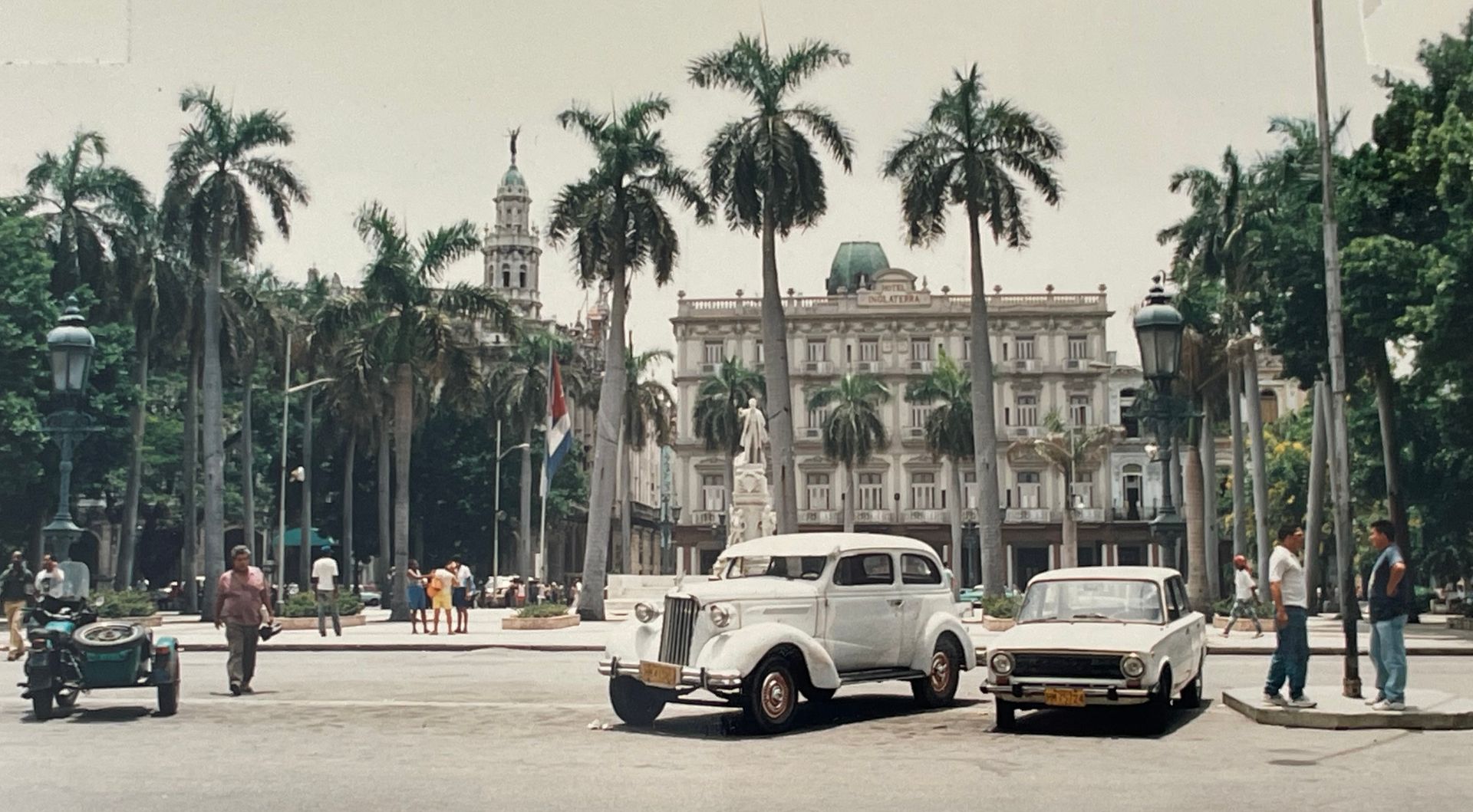
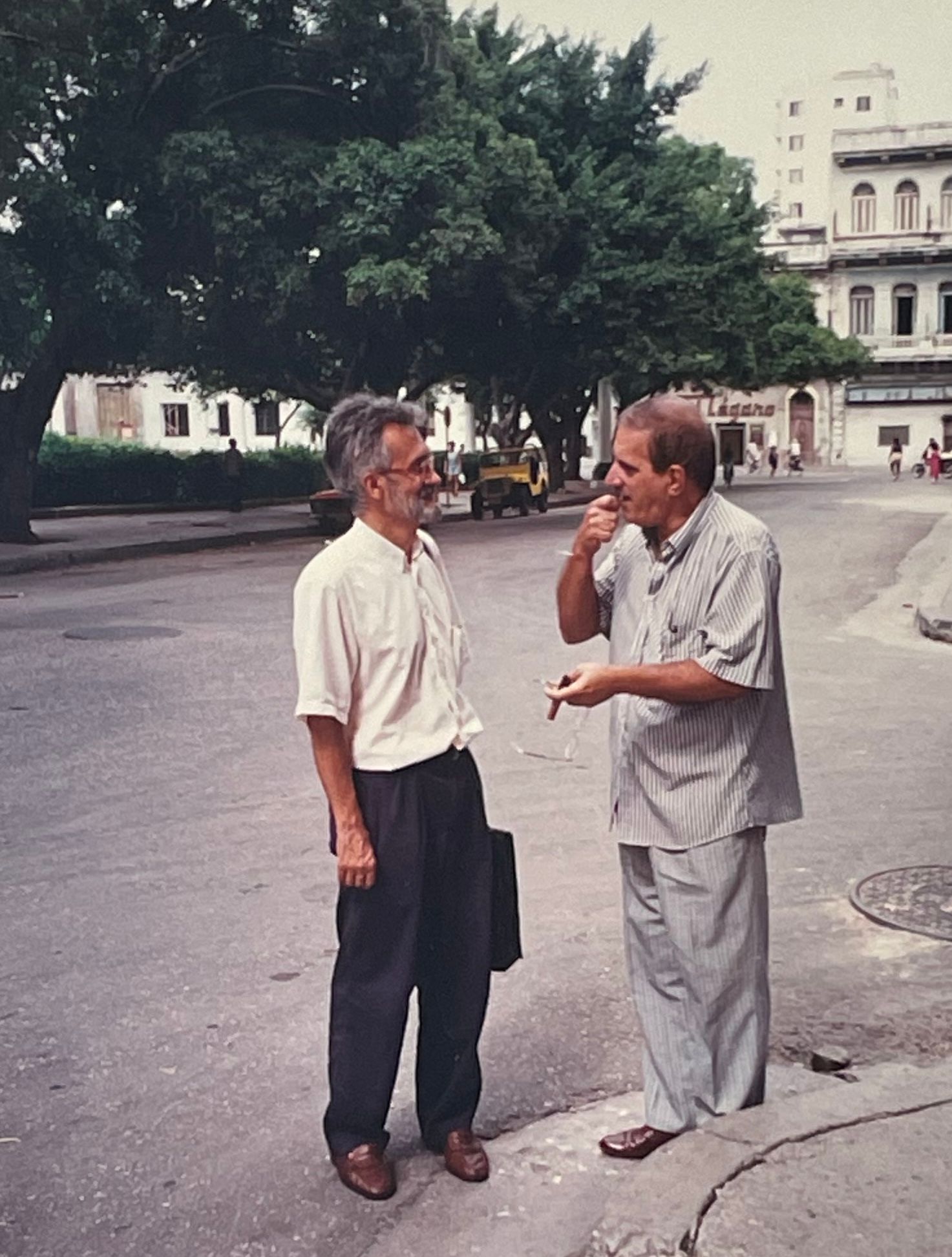
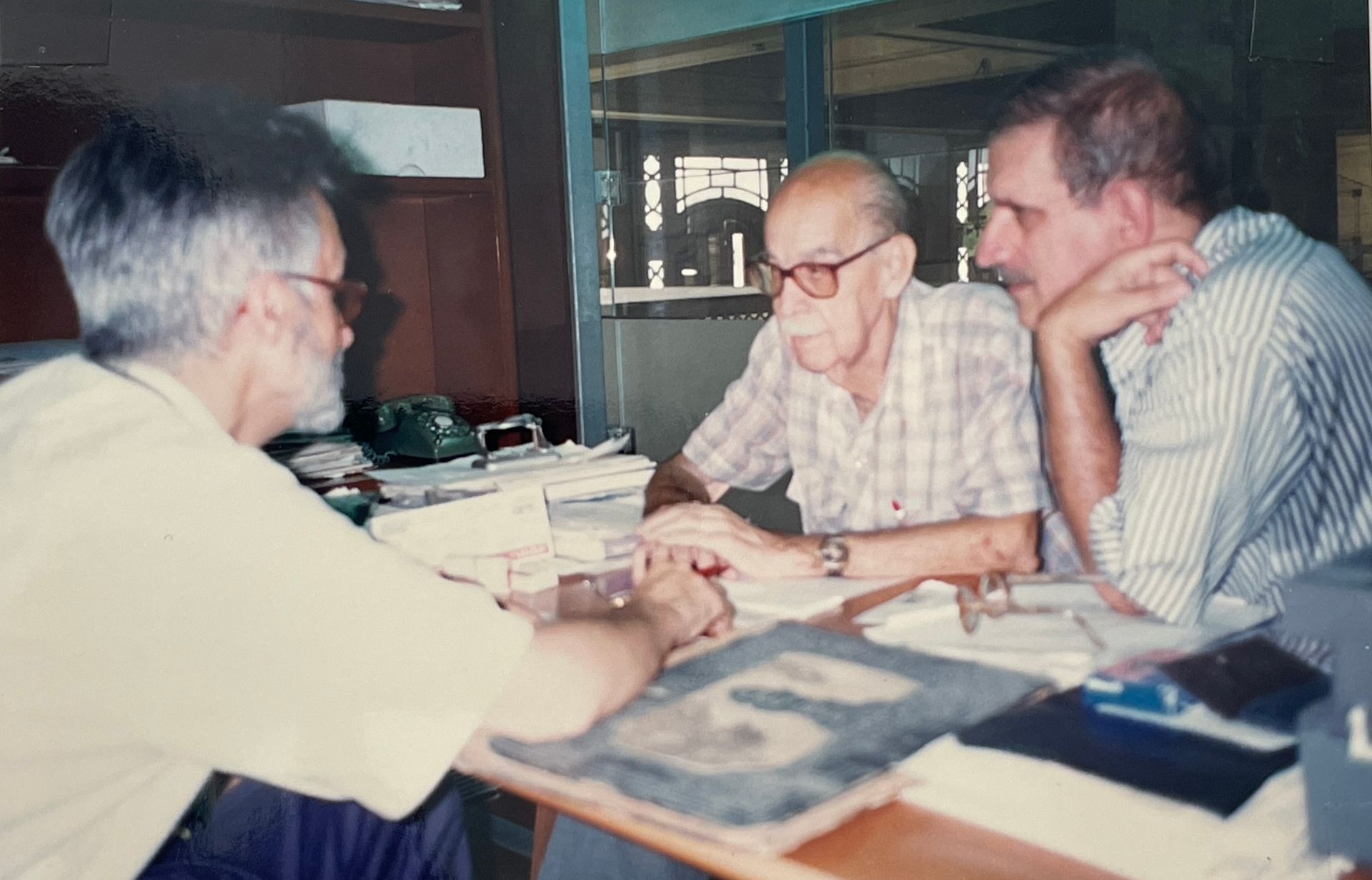
He roamed Havana, moving through forbidden places where no foreign writer was supposed to be listening, taking notes on a revolution that had already eaten its own.
He lived for thirty years under Franco's dictatorship and collected stories from the Civil War, an ideological and military dress rehearsal for the Second World War. What he finds, he writes. What he is told in confidence, he protects in fiction.
“If I haven't been there, I don't write about it.”
The Patagonia Files follows the trails of smugglers, exiles, and Nazi operatives at the southern edge of the world; and draws on reports left by old naval expeditions exploring a passage to the Pacific. What separates these books from other accounts of the same territory is access: Alcalá traveled with local historians, friends and confidants who opened doors no foreign writer could have reached alone — and who recovered police records on Nazi fugitives that Argentine courts had ordered discarded.
Cuba Declassified reconstructs the hidden mechanics of the Cuban Revolution through the eyes of those who lived inside it. Among Alcalá's sources was Mariana — a real underground operative who fought against Batista and later had to flee Castro — whose testimony became the foundation of an entire series.
Uncensored Spain covers what the official record preferred to forget: nearly half a century of fascism in its different textures — civil war and coup, autarchy and exile, the long suffocation of daily life under a regime that reached into every corner of society. At the center stands Manuel, a Protestant railway worker in a country where Protestantism was heresy — a man whose story was entrusted to Alcalá in the first person, to be set down before it disappeared.
Now he is nearly eighty. Tonight he'll be writing at his desk.
“I don’t have to waste. Time is short and I still have haunting stories that must be written.”
What is Investigative Fiction?
Xavier Alcalá doesn't research to write. He writes because he investigated. Every novel in this catalog is built on real expeditions, declassified archives, and firsthand testimony. The fiction is the frame. The facts are the foundation.
"If I haven't been there, I don't write about it."
— Xavier Alcalá
The Dossier
The real documents behind the fiction. Court-martial records, field notebooks, missionary diaries. Delivered directly to your inbox.